


Rolling Pins



Commercial Rolling Pins for Restaurants, Bakeries & Dough Prep
A reliable commercial rolling pin is one of the simplest and most versatile tools in a restaurant, bakery, pizzeria, or food preparation kitchen. From rolling pie crust and pastry dough to shaping pizza, cookies, roti, chapati, paratha, puri, and other flatbreads, the right rolling pin gives cooks and bakers greater control over dough thickness, shape, and consistency.
At Nishi Enterprise, our rolling pin collection includes wooden rolling pins, aluminum rolling pins, handled rolling pins, and French tapered rolling pins in several lengths. Our assortment includes options from Winco and CAC China, with popular sizes including 13-inch, 15-inch, 18-inch, and 20-inch rolling pins.
Whether you operate a commercial bakery, pizza shop, Indian restaurant, café, catering kitchen, or general foodservice operation, this collection includes rolling pins suited to a wide range of dough preparation tasks.
What Is a Commercial Rolling Pin?
A rolling pin is a cylindrical kitchen tool used to flatten and shape dough by applying pressure as the pin moves across the work surface. Although the basic concept is simple, rolling pins are used across an enormous variety of cuisines and foodservice operations.
Commercial kitchens may use rolling pins for pastry dough, pizza crusts, pie shells, cookies, pasta dough, tortillas, roti, chapati, paratha, puri, flatbreads, and many other dough-based menu items.
Because different kitchens prepare different products, rolling pins are available in several materials, lengths, diameters, and designs. Choosing the right one depends on the type of dough being prepared, the size of the finished product, and the preferences of the person working with it.
For additional hand tools and supplies used throughout a prep station, browse our Food Prep collection.
Wooden Rolling Pins
Wooden rolling pins are the traditional choice for many bakeries, restaurants, and home kitchens. Their straightforward design makes them suitable for a wide range of dough applications, from pastries and cookies to pizza and flatbreads.
Nishi Enterprise carries several wooden rolling pin sizes, allowing operators to choose a model based on the type and quantity of dough they normally prepare.
For a more compact option, the Winco WRP-13 13" Wooden Rolling Pin works well when operators want a manageable pin for smaller batches and everyday dough preparation.
The Winco 15" Wooden Rolling Pin provides a versatile middle size that can be used for many common bakery and restaurant applications.
For larger sheets of dough, the Winco WRP-18 18" Wooden Rolling Pin provides additional rolling width for larger portions and work surfaces.
Aluminum Rolling Pins for Commercial Kitchens
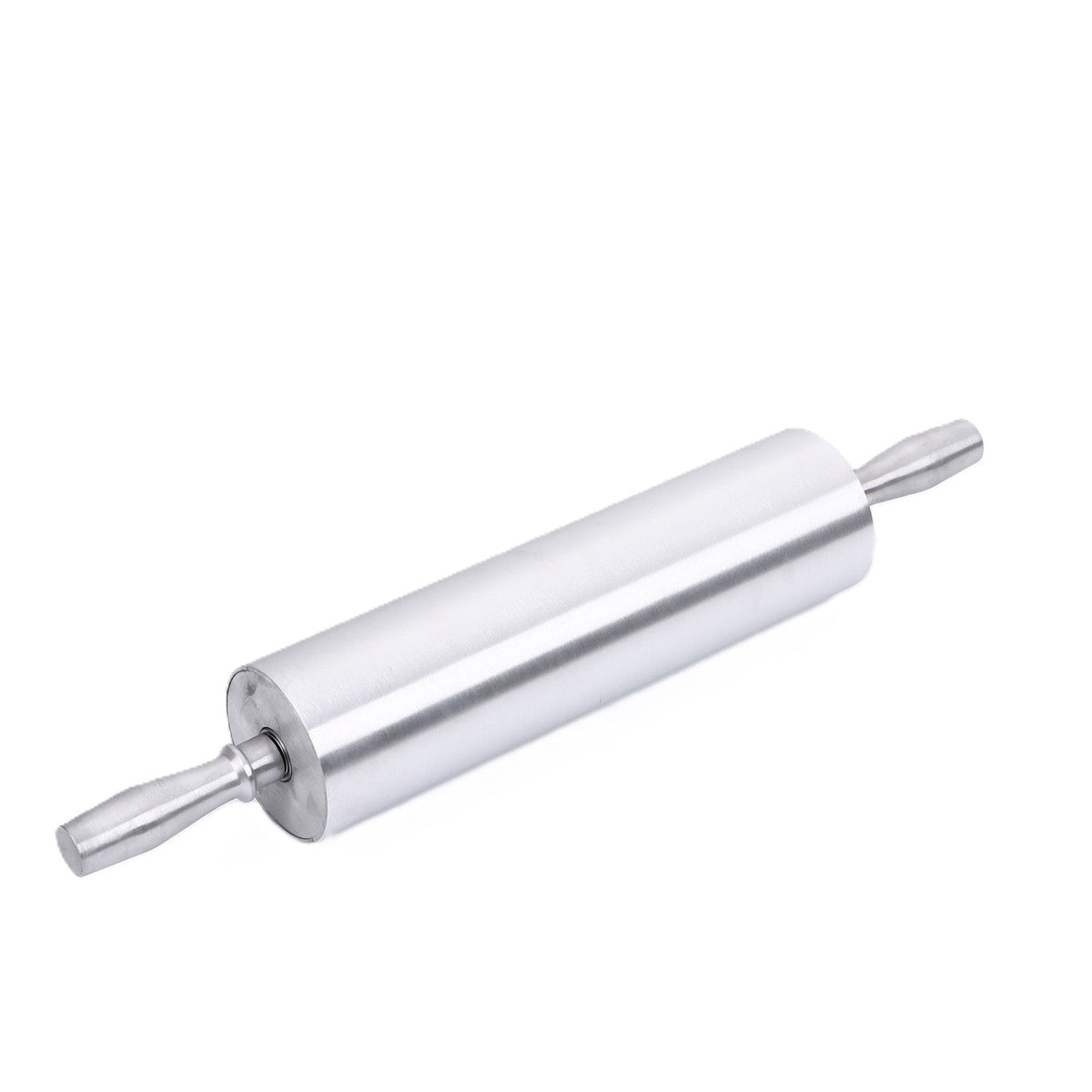
Aluminum rolling pins provide another option for professional dough preparation. Their smooth rolling surfaces make them useful in bakeries, restaurants, pizza shops, and other commercial kitchens where dough is rolled repeatedly throughout the day.
Our collection includes multiple aluminum rolling pin lengths from both Winco and CAC China. This makes it easier to select a size that matches the scale of your typical dough preparation.
The Winco 13" Aluminum Rolling Pin offers a compact format for smaller portions and tighter prep areas. The Winco 15" Aluminum Rolling Pin provides a versatile size for everyday restaurant and bakery work, while the Winco 18" Aluminum Rolling Pin provides more working width for larger dough portions.
Aluminum rolling pins can be particularly useful for kitchens that want a commercial-style rolling tool for repeated dough preparation rather than relying only on traditional wooden designs.
French Tapered Rolling Pins
A French rolling pin uses a handle-free design that typically tapers toward the ends. Rather than holding separate handles, the baker places their hands directly on the pin and controls the pressure and direction of the roll through the body of the tool.
This design can provide excellent control when working with dough that needs careful shaping and thickness adjustments.
Our collection includes the Winco WRP-20F 20" French Tapered Wooden Rolling Pin, which can be used for pastry, pie crust, pizza dough, pasta dough, bread dough, and other applications where direct control is useful.
We also carry a 20-inch French tapered wooden rolling pin from CAC China for operators who prefer this classic handle-free design.
Rolling Pins for Roti, Chapati & Indian Flatbreads
Rolling pins have an especially important role in Indian kitchens. Roti, chapati, paratha, puri, and many other Indian breads begin with individual portions of dough that need to be flattened before cooking.
A smaller wooden rolling pin can work well for individual flatbreads because the operator can quickly rotate and shape each piece of dough. Larger rolling pins may be preferable when preparing larger breads or handling other dough products in the same kitchen.
For Indian restaurants, catering companies, temples, banquet operations, and households preparing flatbreads regularly, keeping several rolling pins available can also allow multiple employees to work at the same time during high-volume preparation.
Rolling pins are only one part of a productive Indian prep kitchen. Explore our broader Food Prep selection for additional tools that can help with ingredient and dough preparation.
Rolling Pins for Pizza Dough
Pizzerias and restaurants serving flatbreads can also use rolling pins as part of dough preparation. Depending on the style of pizza being produced, a rolling pin can help flatten dough into a consistent starting shape before additional stretching or forming.
Larger pins, such as 15-inch and 18-inch models, provide more rolling surface for larger portions of dough and can be useful when preparing pizza crusts, calzones, flatbreads, and similar products.
Restaurants processing significant amounts of dough may eventually supplement manual rolling with equipment from our Dough Sheeter collection. A rolling pin remains useful for smaller batches, specialty shapes, corrections, and prep tasks that do not require a machine.
Rolling Pins for Bakeries & Pastry Shops
Commercial bakeries can use rolling pins throughout the production process. Pie dough, cookies, pastries, turnovers, tart shells, and other products frequently require dough to be flattened to a controlled thickness before cutting, filling, or baking.
A bakery producing several types of products may keep different rolling pins at different stations. A French tapered pin may be preferred for work requiring more direct control, while a larger handled rolling pin can be useful for repeatedly flattening broader pieces of dough.
Operators setting up a bakery prep area can also explore our Baking Supplies collection for additional products used during baking and dough preparation.
13-Inch vs. 15-Inch vs. 18-Inch Rolling Pins
Rolling pin length affects how much dough can be covered during each pass. There is no single size that is right for every restaurant or bakery.
A 13-inch rolling pin can be easier to maneuver in smaller spaces and is well suited to individual portions, smaller dough pieces, and kitchens where prep-table space is limited.
A 15-inch rolling pin provides a useful middle ground. It offers additional working width without becoming unnecessarily large for everyday dough preparation.
An 18-inch rolling pin gives cooks and bakers more width when working with larger pieces of dough. This can be useful for pizza, pastry sheets, larger batches, and foodservice operations regularly working across larger prep surfaces.
French-style pins may be longer still. A 20-inch French tapered pin provides a broad working area while retaining the control associated with the handle-free tapered design.
Handled Rolling Pins vs. French Rolling Pins
Traditional handled and French-style rolling pins approach the same job differently.
A handled rolling pin allows the main barrel of the pin to roll while the operator holds handles at either end. This familiar design is straightforward to use and works well for repeated general dough preparation.
A French rolling pin eliminates separate handles. The user applies pressure directly to the body of the pin, making it easier to adjust pressure from side to side while shaping the dough.
Neither design is automatically better for every kitchen. Restaurants and bakeries often choose based on the food being prepared and the preferences of their cooks or bakers. In some operations, keeping both styles available gives staff more flexibility.
Wood vs. Aluminum Rolling Pins
Material is another important consideration when choosing a rolling pin.
Wooden rolling pins provide the classic feel many bakers and cooks are accustomed to and are available in both traditional handled and French tapered configurations.
Aluminum rolling pins provide a smooth commercial option and are available in multiple lengths for different production needs.
Because Nishi Enterprise carries both materials, restaurants and bakeries can select the style that fits their workflow rather than being limited to a single type.
Building a Commercial Dough Prep Station
For a restaurant or bakery that works with dough every day, the rolling pin should be considered as part of the entire prep station rather than as an isolated utensil.
A spacious, stable work surface gives employees room to portion, flour, roll, cut, and shape dough. Browse our Commercial Work Tables for stainless steel surfaces that can be incorporated into restaurant and bakery prep areas.
Operations producing dough in larger batches may also need a Commercial Mixer for mixing and kneading before portions reach the rolling station.
For higher-volume operations where manual rolling becomes a production bottleneck, a Commercial Dough Sheeter can help process dough more efficiently while rolling pins remain available for smaller batches and finishing work.
Winco Commercial Rolling Pins
Our collection includes several rolling pins from Winco in both wood and aluminum. Restaurants and bakeries looking specifically for this brand can browse our Winco Rolling Pins collection.
Available Winco options include 13-inch, 15-inch, and 18-inch wooden models, aluminum rolling pins in multiple sizes, and a 20-inch French tapered wooden rolling pin. This gives operators several choices depending on material, length, and preferred rolling style.
Choosing the Right Commercial Rolling Pin
Start by considering what your kitchen makes most often. An Indian restaurant producing individual rotis and parathas may have different needs from a bakery rolling large sheets of pastry or a pizzeria preparing pizza dough.
Next, consider length. Smaller rolling pins provide maneuverability, while longer pins provide greater coverage across larger dough portions.
You should also decide whether your staff prefers wood or aluminum and whether a traditional handled design or French tapered pin is more comfortable for the work being performed.
High-volume kitchens may benefit from keeping multiple rolling pins on hand. This allows several employees to work simultaneously and gives cooks different sizes or styles for different menu items.
Shop Commercial Rolling Pins at Nishi Enterprise
Nishi Enterprise carries commercial rolling pins, wooden rolling pins, aluminum rolling pins, French tapered rolling pins, and dough preparation tools for restaurants, bakeries, pizzerias, Indian kitchens, catering companies, and other foodservice operations.
Our rolling pin collection includes multiple sizes and styles from trusted foodservice brands such as Winco and CAC China. Whether you need a compact wooden pin for individual flatbreads, an aluminum rolling pin for everyday commercial prep, or a French tapered model for precise pastry work, explore the collection above to find the right tool for your kitchen.
If you are equipping an entire bakery, restaurant, pizza shop, or commercial prep area, contact Nishi Enterprise and our team can also help you source the related equipment and smallwares needed for your operation.