


Milk shows up almost everywhere on a restaurant menu, from the coffee station to the dessert case to the base of a curry. Picking the right type matters for flavor, cost, and keeping up with customer dietary needs. This guide breaks down the most common dairy and non-dairy milks used in foodservice, what each one is best for, and how to keep them properly stored.
Quick Comparison: Dairy Milk by Fat Content
| Milk Type | Milk Fat | Taste | Lactose-Free | Dairy-Free |
|---|---|---|---|---|
| Whole Milk | 3.25%+ | Rich, full-bodied | No | No |
| 2% Milk | 2% | Balanced, slightly creamy | No | No |
| Low-Fat Milk | ~1% | Mild, light | No | No |
| Skim Milk | Under 0.5% | Light, slightly watery | No | No |
| Organic Milk | Varies | Creamy, clean | No | No |
| Raw Milk | Varies | Rich, earthy | No | No |
| Buttermilk | Low | Tangy, thick | No | No |
| Condensed Milk | Whole milk + sugar | Sweet, caramel-like | No | No |
| Lactose-Free Milk | Varies | Slightly sweeter than regular milk | Yes | No |
Dairy Milk Types
Whole Milk
Whole milk contains at least 3.25% milk fat, giving it the richest, creamiest texture of the standard dairy milks. It's a workhorse in professional kitchens for adding body to sauces, custards, and baked goods, and its full flavor makes it a common choice for lattes, cappuccinos, and milkshakes.
2% Milk
Also called reduced-fat milk, 2% milk sits between whole and skim in richness. It works well in coffee drinks, soups, and baked goods where you want some creaminess without the heaviness of whole milk.
Low-Fat Milk
At around 1% milk fat, low-fat milk is a lighter option that still carries the protein and calcium of whole milk. It's a common substitute in baking recipes and a popular base for smoothies where a lighter mouthfeel is preferred.
Skim Milk
Skim milk (or fat-free milk) has had nearly all its fat removed, leaving less than 0.5% milk fat. It works in most recipes that call for milk, though the reduced fat means less richness in things like cream-based sauces or ice cream.
Organic Milk
Organic milk comes from cows raised without synthetic pesticides, hormones, or antibiotics, and it must meet federal certification standards to carry the label. Some operators use it as a menu differentiator, since it appeals to customers looking for a more natural option.
Raw Milk
Raw milk skips pasteurization and homogenization entirely. It carries a real food-safety risk from bacteria like E. coli, Salmonella, and Listeria, and its legal status varies significantly by state. Check your local regulations carefully before considering it for any menu use.
Buttermilk
Despite the name, buttermilk isn't made from butter. Traditional buttermilk is the liquid left over after churning butter from cream, while cultured buttermilk (the more common type today) is made by fermenting milk with live bacteria cultures. Its tangy flavor and thicker consistency make it a staple in biscuits, pancakes, and marinades.
Condensed Milk
Condensed milk is made by removing most of the water from milk and adding sugar, producing a thick, sweet, shelf-stable product. It's a key ingredient in fudge, pies, caramel, and drinks like Vietnamese iced coffee.
Lactose-Free Milk
Lactose-free milk is regular cow's milk treated with the enzyme lactase, which breaks down lactose so it's easier to digest. It's still a dairy product, so it isn't suitable for vegan menus, but it works as a direct substitute anywhere regular milk is used.
Non-Dairy Milk Types
| Milk Type | Made From | Taste | Best For |
|---|---|---|---|
| Oat Milk | Oats and water | Creamy, slightly sweet | Coffee foam, lattes, baking |
| Almond Milk | Almonds and water | Nutty, thin | Smoothies, baking, cereal |
| Coconut Milk | Coconut flesh | Rich, tropical | Curries, soups, desserts |
| Soy Milk | Soybeans | Mild, slightly grassy | Coffee drinks, baking, savory dishes |
| Hemp Milk | Hemp seeds | Nutty, earthy | Smoothies, coffee, hot chocolate |
| Cashew Milk | Cashews and water | Sweet, smooth | Lattes, sauces, baked goods |
All six of these are naturally lactose-free and dairy-free, making them the go-to options for vegan menus and customers with lactose intolerance.
Oat Milk
Oat milk has become one of the most popular dairy alternatives in foodservice, largely because it froths well for latte art and holds up in both hot and cold applications. It's often fortified with calcium and vitamin D to more closely match the nutrition profile of cow's milk.
Almond Milk
Made from ground almonds and water, almond milk has a thin consistency and a distinct nutty flavor. It works well in smoothies and baking, but its lighter body means it doesn't always froth as well as oat or soy milk. Always flag it clearly on menus for guests with tree nut allergies.
Coconut Milk
Coconut milk comes in two forms: thick, which is closer to coconut cream and used in rich curries and desserts, and thin, which is lighter and better suited to soups and smoothies. Its distinct tropical flavor makes it less of a drop-in replacement for cow's milk than oat or soy.
Soy Milk
Soy milk is one of the higher-protein non-dairy options, which is part of why it's a longtime favorite in coffee shops for steaming and frothing. Its relatively neutral flavor also makes it usable in both sweet and savory kitchen applications.
Hemp Milk
Hemp milk is made from hemp seeds and carries a mild, nutty taste with a texture reasonably close to dairy milk. It's a more sustainable option in terms of water and land use compared to dairy farming, which some operators highlight on eco-conscious menus.
Cashew Milk
Cashew milk has a smooth, naturally sweet profile that works well in lattes, sauces, and baked goods. It's dairy-free, soy-free, and lactose-free, making it a flexible option for guests with multiple dietary restrictions.
Storing Milk Safely in a Commercial Kitchen
Milk and dairy products need to stay between 33°F and 40°F to stay safe and fresh. In high-volume settings like school cafeterias, breakfast buffets, and convenience stores, a dedicated milk cooler keeps large quantities of milk cartons or crates properly chilled and easy to access without opening a full walk-in cooler every time.
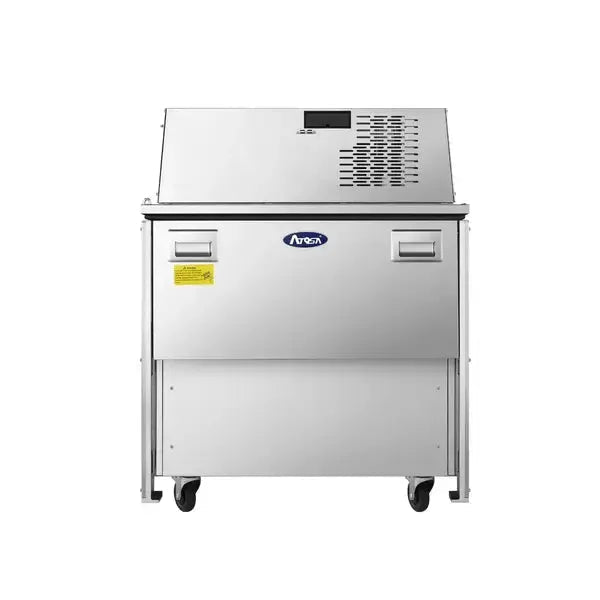
Nishi Enterprise carries Atosa forced air milk coolers in single- and double-access configurations:
| Model | Size | Crate Capacity | Access | Link |
|---|---|---|---|---|
| Atosa AMC-3401 | 34" | 8 crates | Single | View product |
| Atosa AMC-3402 | 34" | 8 crates | Double | View product |
| Atosa AMC-4901 | 49" | 12 crates | Single | View product |
| Atosa AMC-4902 | 49" | 12 crates | Double | View product |
| Atosa AMC-5801 | 58" | 16 crates | Single | View product |
| Atosa AMC-5802 | 58" | 16 crates | Double | View product |
Double-access models let staff restock from one side while customers or students pull milk from the other, which speeds up service during breakfast rushes without extra staffing.
For serving milk-based beverages like lassi, chai, or fresh juice at a buffet, pair a milk cooler with a dispenser from our Beverage Service collection.
Frequently Asked Questions
What's the difference between whole milk and 2% milk?
Whole milk contains at least 3.25% milk fat, while 2% milk has less fat, giving it a lighter body and fewer calories while still retaining some creaminess.
Which non-dairy milk froths best for coffee drinks?
Oat milk and soy milk are generally considered the best options for frothing and latte art, since their protein and fat content help create stable, creamy foam.
What temperature should milk be stored at in a commercial kitchen?
Milk and other dairy products should be kept between 33°F and 40°F to stay within safe food handling guidelines.
Is lactose-free milk the same as non-dairy milk?
No. Lactose-free milk is still a dairy product; it's regular cow's milk treated with lactase to break down the lactose. Non-dairy milks like oat, almond, and soy contain no dairy at all.
Nishi Enterprise supplies commercial refrigeration and beverage service equipment for restaurants, cafeterias, and catering operations. Browse our Atosa milk coolers or beverage dispensers to round out your dairy program.


